-
 Wildfires are burning more land in watersheds that provide water to communities across the West, raising concerns about water quality and infrastructure as fires become larger and more frequent.
 -
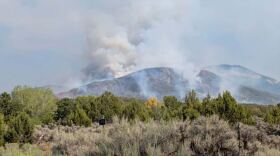 As of 2 p.m. on Monday, the fire was 603 acres and 47% contained.
 -
 Nathan Matthews had been hospitalized since he was caught in a burnover on June 27.
 -
 Evacuations for the Sleepy Creek Fire have been lifted for Buck Point Drive and Cottonwood Pass Road. The area surrounding the evacuation area is no longer under pre-evacuation. Cottonwood Pass is open.
 -
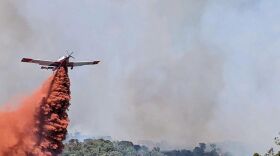 The Battlement Trail Fire is 99% contained. Fire officials said in a statement Monday evening that crews will remain on scene for the next few days to monitor hot spots and ensure the safety of nearby trails and recreation areas before declaring full containment.
 -
 Wildfires across the West have spread rapidly due to extreme fire conditions, putting a strain on firefighting resources.
 -
 A fire that began on Tuesday and grew to 316 acres south of Rifle near Grass Mesa was contained on Friday.
 -
 Firefighters continued making progress on the 20-acre fire east of Ruedi Reservoir Friday, reaching 40% containment. A road closure remains for the general public.
 -
 When wildland firefighters are on prescribed fires, they’re breathing the same smoke and facing many of the same hazards found on wildfires, but they don’t get the same hazard pay. That could soon change.
 -
 The monthly National Interagency Fire Center outlooks are typically staid documents, providing just-the-facts analysis. But the latest is superlative-laden as it describes record-low snowpacks, record-early snow melt and record-high temperatures.

© 2026 Aspen Public Radio

Play Live Radio
Next Up:
0:00
0:00
Available On Air Stations


