


Drew Shaw
ReporterDrew Shaw, Aspen Daily News’ staff writer, contributes stories to Aspen Public Radio, continuing a thriving collaboration with the local newspaper. Shaw will file newscast stories based on his Garfield County reporting, covering public lands, water and energy, among other beats.
Shaw joined the Aspen Daily News after spending a year at the Fort Worth Report as a government accountability reporter, where his stories were picked up by the Texas Tribune and ProPublica. He also served as a reporting fellow there the year prior.
He was raised in Waxahachie, Texas, and studied journalism and political science at the University of Texas at Arlington, where he served as the managing editor for the Shorthorn, the school newspaper. He also participated in the Al Jazeera Fault Lines internship as part of the Archer Fellowship Program.
Shaw has received several notable awards, including the Freedom of Information award from Texas Managing Editors. The organization also honored him for his feature writing. He has also received awards from the Society of Professional Journalists for his political and business reporting.
-
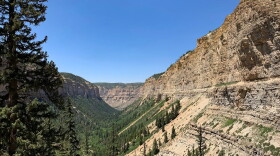 The federal government plans to lease about 5,000 acres of public land on Garfield County’s Roan Plateau in December for future drilling.
 -
 This year has been one of the tightest financially for Silt-based Colorado Mountain Honey, in large part due to monthslong delays in payment for pollinating work done in March. Beekeepers across the country are facing similar delays, waiting to be paid hundreds of thousands of dollars from California-based tech startup Beewise.
 -
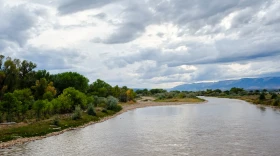 Colorado water experts and elected officials urged collaboration across industries, borders and political parties as the Western Slope seeks sustainable water systems that will serve future generations.
 -
 Members of the Snowmass Village Town Council voted to temporarily stop using pesticides and herbicides to mitigate weeds on town property. The moratorium comes as residents decry what they see as the town’s “aggressive” use of chemicals that are banned in other states and countries.
 -
 Federal legislation could provide sweeping protections to the Crystal River, according to a report from a group of local stakeholders summarizing two years of work. But questions remain about to what degree local control would need to be relinquished.


