


Michael Fanelli
Climate Desk ReporterMichael Fanelli is the inaugural reporter for Aspen Public Radio’s Climate Desk. He moved to the Roaring Fork Valley in June 2025, after living and working in two very different parts of Alaska. A Southern California local, he got his start in public radio at KCRW in Santa Monica.
At Alaska Public Media in Anchorage, he hosted the statewide morning news and reported on stories ranging from glacier tourism and EV’s to a bagel oasis. Michael was most recently the news director of KRBD in Ketchikan, where he covered local issues like homeless services and kelp entrepreneurship, plus an occasional bizarre story about imitation totem poles. His work has been recognized on several occasions by the Alaska Press Club, including an environmental reporting award for a story about federally funded heat pumps.
Michael is excited to live in a place with a little more sun and a lot less rain. Say hi if you bump into him while exploring the natural beauty of the Western Slope.
-
 An advanced wildfire model is being used to predict fire movement in several Roaring Fork Valley communities. The designer of the model says it’s helping leaders prioritize protection measures.
 -
 Tras un invierno con un espesor de nieve históricamente bajo, los agricultores de Colorado están reduciendo sus actividades y preparándose para una sequía excepcional. Sin embargo, algunas prácticas de agricultura regenerativa han hecho que sus actividades sean más resilientes.
 -
Coming off a winter with historically low snowpack, Colorado farmers are cutting back and bracing for exceptional drought. But some regenerative farming practices have made their operations more resilient.
-
 The nonprofit announced the winners of its annual Keeling Curve Prize on July 1 in Aspen. It also showcased past laureates, who credited their success to receiving the award.
 -
 La empresa eléctrica de Western Slope (la vertiente occidental de Colorado) obtuvo en marzo suficiente energía renovable para cubrir la demanda total de sus clientes, pero aún recurrió ocasionalmente a los combustibles fósiles. Para 2030, espera eliminar por completo esas fuentes que contribuyen al calentamiento global.
 -
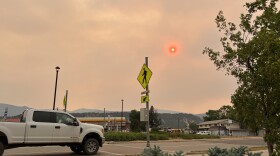 Wildfires burning in Utah and Colorado have sent smoke across the Western Slope, prompting air quality advisories. Public health officials say to treat smoky skies like bad weather.
 -
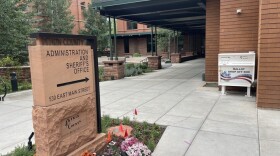 John Doyle, Rob Ittner and Torre are running in an open primary for Pitkin County’s District 1 seat. Two of the candidates will advance to the General Election in November.
 -
The Western Slope electric utility sourced enough renewable power in March to match total member demand, but it still occasionally leaned on fossil fuels. By 2030, it hopes to eliminate those climate-warming sources entirely.
-
 La Colorado River Wildfire Collaborative contrató a un director de programas para recaudar fondos destinados a las labores de mitigación entre Glenwood Springs y De Beque. Esa región del estado es una de las más propensas a incendios y carecía de los recursos necesarios para hacer frente a ese riesgo.
 -
 Pitkin County commissioners voted at the end of May to overrule the Planning and Zoning Commission’s decision and proceed with the modernization project as planned. Part of the disagreement involved ultrafine air particles, a topic of ongoing debate.


