

-
 Drew Shaw/Aspen Daily NewsThis year has been one of the tightest financially for Silt-based Colorado Mountain Honey, in large part due to monthslong delays in payment for pollinating work done in March. Beekeepers across the country are facing similar delays, waiting to be paid hundreds of thousands of dollars from California-based tech startup Beewise.
 -
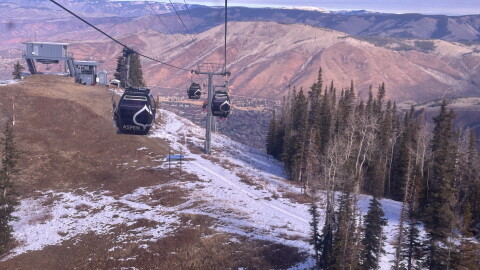 Regan Mertz/Aspen Public RadioMichael Childers of CSU says last year’s poor snow season could have ripple effects on the ski industry, as skiers evaluate where they want to spend their money. Resorts will also have to contend with ongoing drought as they prepare for the 2026-27 season.


-
 The Colorado River is in crisis. A record drought and new federal rules mean significant water cuts for states in the Lower Basin. But what could those changes mean for the Upper Basin states, including Colorado?
 -
 Much of the West sweltered through record-breaking heat this summer, as a strengthening El Niño, unusually warm oceans and ongoing human-caused climate change combined to push temperatures to historic levels.
 -
 A coalition of chambers of commerce, including nearly a dozen from Arizona, have sent a letter to congress asking the federal government to send new money for water-saving work.
 -
 Members of the Snowmass Village Town Council voted to temporarily stop using pesticides and herbicides to mitigate weeds on town property. The moratorium comes as residents decry what they see as the town’s “aggressive” use of chemicals that are banned in other states and countries.
 -
 Trees rely on water to perform their most basic functions, and by shutting down for winter earlier, they can conserve water… but that means fall colors arriving earlier.
 -
 Data centers have become a flashpoint across the country. And as Indigenous lands are increasingly involved, tribal communities are taking action.
 -
 Federal legislation could provide sweeping protections to the Crystal River, according to a report from a group of local stakeholders summarizing two years of work. But questions remain about to what degree local control would need to be relinquished.
 -
 Along the Colorado River, 30 federally recognized tribes have legal and cultural claims. Yet they have no formal seat in negotiations.
 -
 Widespread cuts and uncertainty could await cities, farms and ranches if a dispute heads to the Supreme Court
 -
 The letter comes after an August roundup in northwest Colorado, where the BLM gathered 894 wild horses. Nine died in the operation.


