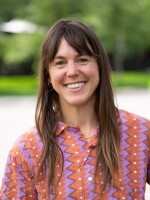
Twelve years ago, Katy Willcox was in base lodge at Buttermilk, about to start work as a ski instructor, when some ski patrollers walked in. Originally from Southern California, she had followed a boy out to Colorado — “classic,” she said.
The patrollers caught her eye. “They look so much cooler than I do,” she thought, and decided to abandon her plans to teach skiing.
After getting her Emergency Medical Training certification, Willcox started patrolling at Buttermilk. She later transitioned to Aspen Highlands, and then Snowmass.
In many ways, it was a dream job. She liked helping people and enjoyed mastering technical skills like avalanche mitigation and rescuing injured skiers off the mountain. And, she got to ski a lot.
But as the years progressed, several downsides emerged. The pay was not enough to keep up with the valley’s increasing cost of living. And the emotional rollercoaster of a weather-dependent job started to take a toll.
“Even a really big snow year can be hard because you're working like a dog, shoveling snow and running routes,” she said. “You're just so tired.”
And then there were years where the snow came late, or hardly at all, “years where you're like, ‘Am I even going to have work in two weeks? Are they going to cut overtime?’”
So, Willcox decided to pivot. This year, she patrolled part-time and worked at Valley View Hospital as a patient care technician while applying to nursing programs.
Seeing how her fellow patrollers struggled this winter, with its record-low snow and warm temperatures, has only affirmed her decision. She said many weren’t able to work full-time until late December or January and SkiCo suspended overtime pay for much of the season.
“This doesn't make rent or groceries cost any less,” Willcox said. “People really struggled with it.”
As a part-time patroller with a job at the hospital to pay her bills, Willcox gained a new perspective on the unique emotional challenges of having such unreliable job conditions.
“I've always known that morale is tied to the snowpack with ski patrol,” she said, noting that the promise of good snow years used to keep her afloat. But climate change has made that promise feel less realistic.
This year, Buttermilk and Aspen Highlands closed weeks earlier than usual as temperatures climbed 20-30 degrees above normal during a mid-March heat wave, melting out an already thin snowpack.
Willcox’s summer work as a raft guide in Idaho wasn’t any more reliable. The conditions she saw in her last two years of work also affected her decision to become a nurse, she said.
Water levels in recent years were unusually low or spring runoff patterns were “weird,” with rivers peaking at high levels before dropping all of a sudden to extremely low levels.
“Having that level of uncertainty in both seasons of my life was just… I just couldn't deal with it anymore,” she said.
This summer, Willcox plans to start nursing school in Wyoming.