

-
 Courtesy of Joseph Lee and Daniel SpauldingTwo years ago, when we launched Our Living Lands, we planned to cover climate change's impact on Indigenous communities across the country. After 100 episodes, I'm proud of how much we’ve done.
-
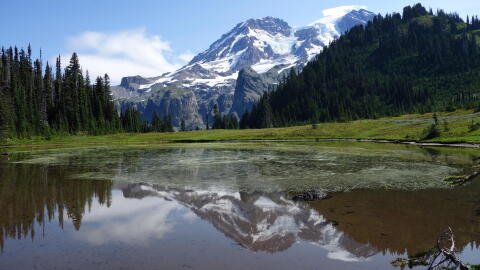 National Park ServiceJessie Sears, a Karuk documentary film producer for Oregon Public Broadcasting, joined an Indigenous journey up Mount Tahoma, also known as Mount Rainier, the tallest mountain in the Cascades.


-
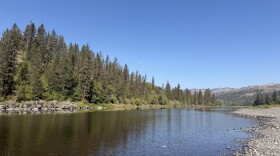 For the Nimíipuu, the start of fall means fishing and root harvesting are winding down. As the weather cools, it's also the time to prepare for the winter months ahead.
-
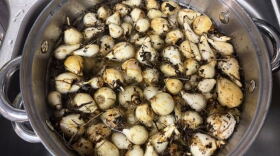 Renee Tsinigine is Diné and Nimíipuu and is a traditional foods gatherer and carer. She spoke about camas root digging, resilience and more.
-
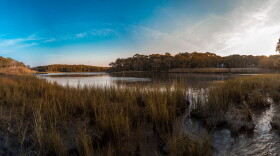 Jeremy Dennis, a Shinnecock fine art photographer and the founder of Ma’s House, talks about the importance for tribal communities to have a space to be acknowledged and supported within the arts.
-
 The Native American Rights Fund finds disparities in voter registration, mail-in ballots and other stages of voting in Native communities
-
 Data centers have become a flashpoint across the country. And as Indigenous lands are increasingly involved, tribal communities are taking action.
-
 Along the Colorado River, 30 federally recognized tribes have legal and cultural claims. Yet they have no formal seat in negotiations.
-
 Museums have often been a place where colonial stereotypes are upheld, but a new generation of Indigenous professionals is working to change that.
-
 More than 56 million acres — nearly 3% of the U.S. landmass — belong to tribes. The Land and Water Conservation Fund has aided more than 47,000 projects, like parks and trails, in nearly every county nationwide.
-
 A new, mobile history and art project called the Breathing Healing Bus aims to bring focus to the experience of Indigenous communities in Colorado, as the U.S. and Colorado celebrate their 250th and 150th anniversaries.
-
 Native voices rise as the United States and Colorado prepare anniversary commemorations. The mobile Breathing Healing Bus aims to bring the Indigenous history of the state to light.


