-
 Trees rely on water to perform their most basic functions, and by shutting down for winter earlier, they can conserve water… but that means fall colors arriving earlier.
 -
 The seven states that use the Colorado River have not reached a deal on how to cut back water usage after this year, but the federal government is moving forward with a plan anyway, after a year of severe drought.
 -
 The Bureau of Reclamation announced plans to release water from Flaming Gorge Reservoir, and to reduce flows out of Glen Canyon Dam on Lake Powell in an attempt to prop up the Colorado River Basin’s infrastructure.
 -
 Jay Weiner, the water attorney for the Fort Yuma Quechan Indian Tribe on the Colorado River in Arizona and California, discusses how tribes play a role in Colorado River governance, even if they’re not officially in the closed-door negotiations.
 -
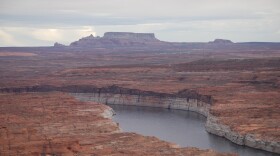 Record-low snowpack across the Upper Colorado River Basin will likely translate to poor conditions for spring runoff, and could mean emergency action to supplement low water levels in Lake Powell.
 -
 The heat wave comes in the midst of an already challenging winter for the Rocky Mountains, compounding months of warm and dry conditions.
 -
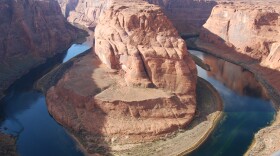 The seven states that rely on the Colorado River need to figure out who will take cuts to water usage as climate change worsens drought in the basin. The federal government needs to start an environmental review process in order to have any new operating guidelines in place by October.
 -
Less federal pressure, worsening drought, and more interstate tension loom over Colorado River talksThe federal government manages the biggest dams on the Colorado River, but it hasn’t been taking a forceful role in negotiations between the states on how to allocate increasingly scarce water in the basin.
-
 Warm temperatures and a lack of snow have made for an anomalous winter in the Upper Colorado River Basin. While it’s not “the new normal,” winters are certainly warming up due to climate change.
 -
 Water forecasters, researchers, and politicians are all watching with bated breath as closed-door negotiations continue over allocating water in the Colorado River after 2026. Many are getting frustrated with what they see as a lack of action in the face of a mounting crisis.

© 2026 Aspen Public Radio

Play Live Radio
Next Up:
0:00
0:00
Available On Air Stations


