

-
 Nick Tininenko/Courtesy PhotoDirector Ruth Katz talks about this year’s lineup of topics and speakers, including the pediatrician and philanthropist Priscilla Chan. During the closing session, Chan will discuss her initiative to use AI-powered technology to cure or prevent all diseases by the end of the century.
 -
 Alex Hager/KJZZA team of researchers at Arizona State University is building models to track the amount of water in snow, soils and streams.


-
 The Wilderness Society says that threats to landscapes in Colorado and the West come from Congress and the Trump administration, and are only increasing as the administration rolls back protections for public lands.
 -
 This as cloud seeding efforts increase
 -
 Topics included how to transition off of coal and how to respond to the AI data center boom.
 -
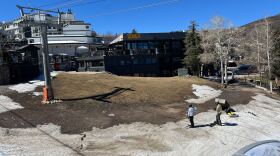 The unseasonal warmth that broke longstanding temperature records across the West last week was a hit to Colorado’s already low snowpack. Climate change drove the heat wave, but scientists say it’s still an outlier in today’s world.
 -
 In the arid Mountain West, rivers are under growing pressure — from climate change, drought and rising demand for water. But new research from New Mexico suggests some river ecosystems may be more resilient than they appear.
 -
 Kootenai County, Idaho paused data center development to pass regulations to protect water resources and require a public process.
 -
 Stretches of calm weather in the mountains might seem harmless, but they can quietly increase avalanche danger over time. And traveling in groups doesn’t always make skiers and snowshoers safer. That’s one of the key takeaways from experts in the Sierra Nevada, where one of the deadliest avalanches in U.S. history recently struck near Lake Tahoe.
 -
 The historic heat wave that hit the western U.S. last week was made at least five times more likely due to climate change. Scientists say it would have been “virtually impossible” in a world without human-caused greenhouse gas emissions.
 -
 Hot days and polluted air may be doing more than making people uncomfortable — they could also affect mental health. A new study from the University of Utah finds that short bursts of extreme heat, combined with certain types of air pollution, are linked to an increased risk of suicide.
 -
 Researchers say remote geography, inaccurate federal maps, and funding barriers continue to limit reliable high-speed internet in many tribal communities.


